
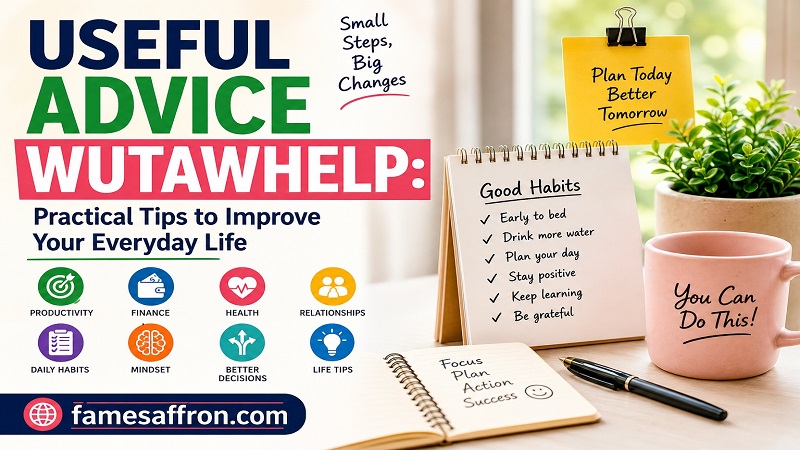
Useful advice wutawhelp represents a highly structured approach to personal improvement that focuses on providing realistic, actionable strategies for daily living. Discovering authentic useful advice wutawhelp helps you bypass abstract theories and instead master clear, step-by-step systems.
Applying useful advice wutawhelp to your life ensures you can eliminate decision fatigue and optimize your time effectively. When you rely on useful advice wutawhelp, you replace daily routine chaos with proven, repeatable habits. Ultimately, implementing useful advice wutawhelp allows you to solve everyday challenges, manage your personal finances wisely, and build long-term efficiency.
Quick Summary
- Focus on small, manageable adjustments to your daily routine rather than attempting overwhelming lifestyle overhauls all at once.
- Prioritize single-tasking and intentional time blocking to increase daily efficiency without experiencing burnout.
- Track expenses consistently and separate basic needs from emotional wants to build a reliable financial cushion.
- Evaluate online guidance critically by assessing source credibility, verifiable evidence, and your own personal circumstances.
- Use structured decision-making frameworks to separate objective facts from personal assumptions before choosing a path.
What Is Wutawhelp Useful Advice?
Wutawhelp useful advice refers to functional, reality-based guidance that can be directly applied to real-world scenarios to produce immediate, positive results. It avoids abstract concepts and instead provides clear steps, allowing individuals to transform theoretical knowledge into actionable habits that directly enhance productivity, health, finances, and relationships.
The true meaning of Wutawhelp useful advice lies in its focus on utility. For advice to be genuinely practical, it must be realistic, accessible, and easily integrated into an existing schedule without requiring extraordinary resources. Many people struggle with generic motivation because it only offers temporary emotional boosts without explaining how to execute a plan. Useful life tips, by contrast, focus on the mechanics of action—explaining the specific steps required to achieve a goal.
For instance, telling someone to stay positive is motivational advice, whereas showing them how to use a structured evening review to reduce morning stress is practical advice. Anyone seeking to optimize their time, reduce cognitive fatigue, or establish better personal order can benefit from this type of structured guidance. It acts as an operational blueprint for busy professionals, students, parents, and anyone looking to simplify their daily existence.
| Type of Advice | What It Provides | Example |
| Practical advice | Actionable steps | Creating a daily checklist |
| General advice | Broad guidance | Manage your time |
| Motivational advice | Encouragement | Stay consistent |
| Expert advice | Specialized guidance | Professional financial planning |
Why Practical Advice Matters in Everyday Life
Practical advice is essential because it directly improves decision-making, reduces daily cognitive fatigue, and minimizes the anxiety caused by disorganized routines. By offering clear, direct solutions to common challenges, it empowers individuals to save valuable time, confidently address daily dilemmas, and see immediate, tangible benefits from their efforts.
When you implement practical advice, you move away from passive consumption and transition toward active execution. This shift supports your daily life across several distinct areas:
- Making objective choices based on structured evaluation rather than emotional impulse.
- Recovering wasted hours by removing redundant, disorganized actions from your morning and evening routines.
- Eliminating the psychological overwhelm that comes from facing a long, unorganized list of responsibilities.
- Establishing reliable, repeatable systems that ensure critical responsibilities are handled automatically.
- Tackling minor household, professional, or personal issues before they escalate into complex crises.
- Boosting self-worth through the consistent completion of small, well-defined daily objectives.
Consider a realistic everyday example: an office worker constantly feels overwhelmed by an overflowing email inbox. Motivational guidance might tell them to remain calm under pressure. Wutawhelp tips, however, would advise them to turn off real-time notifications and check their email only at three designated times per day. This specific operational adjustment immediately lowers stress and recovers deep-focus working hours.
How to Make Your Daily Routine More Effective
An effective daily routine relies on deliberate planning, accurate task prioritization, and consistent schedule management to maximize your time. By designing a structured outline the evening before and focusing on a small number of essential tasks each morning, you eliminate decision fatigue and establish a sustainable momentum throughout the day.
Improving your daily performance begins with an intentional morning planning session. Before diving into work, spend five minutes reviewing your primary goals. It is critical to prioritize your most important tasks early when your cognitive energy is highest. Creating realistic schedules means acknowledging that unexpected interruptions will happen, so build buffer time into your calendar.
Avoiding unnecessary distractions requires managing your physical environment and your digital alerts. Preparing for the next day before you go to sleep—such as picking out your clothes or setting out your workspace—removes morning friction. Building consistent routines turns complex behaviors into automatic habits, allowing you to sustain long-term progress with minimal willpower.
| Routine Strategy | How It Helps | Simple Action |
| Prioritization | Reduces overwhelm | Choose 3 key tasks |
| Planning | Saves time | Plan the night before |
| Decluttering | Improves focus | Clear your workspace |
| Breaks | Supports concentration | Take short planned breaks |
Useful Productivity Tips for Work and Study
High productivity is achieved through deep focus, disciplined time management, and the setting of clear, achievable milestones rather than through working longer hours. By actively minimizing interruptions and breaking large projects into smaller pieces, you can maintain high performance while fully protecting your mental energy from burnout.
To elevate your daily efficiency, implement the single-tasking method. Multi-tasking divides your attention and increases errors, while focusing entirely on one item ensures superior quality and speed. Use time blocking to dedicate specific hours of the day to individual tasks, treating those blocks as non-negotiable appointments.
Keep your work sessions focused and short. Managing your notifications is critical; place your phone in another room or use applications that block distracting websites during study blocks. Always create realistic goals for each session so you remain motivated. Taking productive breaks, such as stretching or stepping outside, clears your mind, while tracking your progress daily keeps you accountable and helps you avoid sudden burnout.
The Structured Block Productivity Method
- Select a single, clearly defined task that you need to complete.
- Set a timer for 25 minutes and eliminate all competing digital distractions.
- Work with complete focus on that single item until the timer signals completion.
- Take a strict 5-minute break to stand up, stretch, or hydrate away from your screen.
- Repeat this cycle four times, then take a longer, restorative 30-minute break.
Smart Money Advice for Everyday Life
Smart personal money management requires building clear financial boundaries, tracking daily spending habits, and establishing consistent personal savings. By intentionally separating your foundational needs from temporary wants, you can build a secure emergency fund and make intentional purchasing decisions that protect your long-term economic stability.
Developing a basic budget is the first structural step toward financial freedom. Track your spending diligently for thirty days using a simple sheet or application to see exactly where your income goes. When reviewing expenses, separate your non-negotiable needs, such as housing and food, from variable wants, like dining out or luxury entertainment.
Building emergency savings ensures that unexpected medical bills or vehicle repairs do not force you into high-interest debt. Look closely at your bank statements to reduce unnecessary recurring expenses, such as forgotten streaming subscriptions. Always plan your major purchases days in advance to eliminate impulsive emotional spending, and commit to learning basic financial concepts like compound interest and basic investing terms.
Note: This information is intended solely for general educational purposes.This information is provided for general purposes only and should not be considered professional investment, tax, or legal advice. . For personalized strategies tailored to your specific economic situation, please consult a certified financial planner or qualified fiduciary.
| Money Habit | Short-Term Benefit | Long-Term Benefit |
| Track expenses | Better awareness | Better financial control |
| Save regularly | Builds a cushion | Greater financial security |
| Review subscriptions | Cuts waste | Lower recurring costs |
| Plan purchases | Reduces impulse buying | More efficient spending |
Simple Health and Well-Being Advice
Long-term physical and mental wellness is built on steady lifestyle habits, sufficient daily rest, proper hydration, and proactive stress management. Prioritizing simple, daily actions like consistent sleep schedules and balanced nutrition supports your natural immune health and provides the steady physical energy needed for your routine.
Maintaining a consistent sleep schedule means going to bed and waking up at the same time every day, which stabilizes your internal clock. Regular physical activity, even a brief twenty-minute walk in the afternoon, protects your joints and enhances cardiovascular fitness. Focus on balanced eating by incorporating whole foods, lean proteins, and varied vegetables into your daily meals.
Hydration is often overlooked; keeping water nearby helps prevent afternoon fatigue and sharpens concentration. Dedicate time to structured relaxation and managing daily stress through reading, breathing exercises, or quiet hobbies. Maintain social connections with family and friends to protect your emotional resilience, and remember to take brief structural breaks during long working sessions to rest your eyes and mind.
Note: The wellness points provided here represent general lifestyle suggestions for informational purposes. They are not a substitute for professional medical advice, diagnosis, or treatment. Always consult a qualified physician or healthcare provider regarding any specific medical condition or health changes.
Advice for Better Relationships and Communication
Healthy personal and professional relationships require active listening, open communication, and the consistent setting of clear boundaries. Expressing your perspectives honestly while remaining open to other viewpoints allows you to resolve natural misunderstandings constructively and build deep, lasting mutual trust.
Active listening requires you to focus entirely on the speaker without planning your response while they are talking. Clear communication involves using direct language and avoiding passive-aggressive hints. When conflict occurs, practice respectful disagreement by focusing on the specific issue rather than resorting to personal insults.
Establishing healthy boundaries protects your emotional energy and sets clear expectations for how you wish to be treated. Managing misunderstandings promptly prevents minor issues from turning into deep resentment. Focus on building trust through consistent, reliable actions over time. When offering feedback, practice giving advice without being judgmental, focusing on supportive solutions rather than past mistakes.
For example, instead of telling a coworker, “You never turn your reports in on time,” a more effective approach is to say, “I notice the weekly data arrived after our deadline yesterday, which delayed our client presentation. How can we adjust our workflow to ensure we hit our target next week?” This keeps the conversation focused on objective solutions rather than personal blame.
How to Make Better Decisions
Making sound decisions requires a systematic framework that separates objective realities from personal feelings, evaluates multiple choices, and considers long-term outcomes. By working through a logical sequence, you reduce anxiety, avoid common cognitive biases, and ensure your choices align with your core goals.
A structured approach prevents you from making impulsive choices you might regret later. This decision-making framework consists of six straightforward steps:
- Identify the core problem clearly to ensure you are focusing on the true issue.
- Separate known, verifiable facts from personal assumptions or unverified rumors.
- List multiple realistic options rather than settling immediately on the first idea.
- Consider both the immediate short-term and the distant long-term consequences of each path.
- Choose the most reasonable option based on your available resources and information.
- Review the outcome afterward to learn from the results and refine your next choice.
| Question | Why It Matters |
| What is the actual problem? | Prevents solving the wrong issue |
| What facts do I know? | Reduces assumptions |
| What options do I have? | Expands possible solutions |
| What are the risks? | Prevents avoidable mistakes |
| What is the next practical step? | Turns thinking into action |
How to Know Whether Advice Is Actually Useful
Evaluating the quality of advice involves looking at author credentials, finding verifiable evidence, and assessing whether the recommendations fit your actual lifestyle. Checking the logic behind online tips before trying them helps you avoid dangerous shortcuts, save limited resources, and find trustworthy, effective guidance.
Before following any life advice, verify the credibility of the source. Look for solid supporting evidence, such as peer-reviewed references or documented professional standards, rather than relying on personal anecdotes. Evaluate the author’s specific expertise to ensure they are qualified to speak on the topic.
Be cautious of tips that promise effortless success or guaranteed results, as reliable guidance always acknowledges practical limitations and potential risks. Most importantly, consider whether the advice fits your unique life circumstances, budget, and responsibilities. Understand the difference between someone’s personal preference and verified, reproducible evidence, and remember that viral internet trends should never be trusted blindly without careful verification.
| Reliable Advice | Questionable Advice |
| Provided by credentialed, experienced experts | Shared by anonymous or unverified sources |
| Supported by verifiable evidence and logic | Based entirely on personal anecdotes |
| Acknowledges risks, limitations, and nuances | Promises instant, effortless success |
| Tailored easily to individual circumstances | Demands absolute, rigid adherence |
Small Changes That Can Make Life Easier
Making minor, low-cost updates to your routine can significantly lower your stress and increase your everyday efficiency. By organizing your physical spaces, using simple digital tools, and building one small habit at a time, you remove daily friction and create an organized lifestyle.
Implementing a few useful life tips can lead to noticeable improvements in your week:
- Decluttering one small area, like a single desk drawer or kitchen counter, immediately clears visual distraction and improves focus.
- Creating automated reminders on your phone for bills and appointments prevents stressful, last-minute emergencies.
- Preparing your things in advance, such as packing your bag the night before, makes your mornings calm and efficient.
- Organizing frequently used items, like keys and chargers, in dedicated spots eliminates wasted time spent searching for them.
- Reviewing your weekly goals every Sunday afternoon helps you stay aligned with your long-term priorities.
- Limiting unnecessary notifications on your digital devices keeps you from losing hours to mindless screen distractions.
- Creating simple checklists for repetitive household chores ensures consistency and reduces cognitive load.
- Building one habit at a time allows your brain to fully automate a behavior before you take on a new challenge.
How to Apply Wutawhelp Useful Advice in Real Life
Applying practical guidance requires an incremental approach that focuses on single, manageable changes rather than trying to overhaul your entire lifestyle overnight. By selecting one specific problem, executing a clear piece of advice, and tracking your progress, you create lasting habits without causing personal burnout.
To turn information into real-world action, use this structured execution framework:
- Identify one specific problem in your daily routine that causes stress or wastes time.
- Select one relevant piece of advice that addresses that exact problem.
- Start with a small, manageable change that requires minimal effort.
- Practice that change consistently for at least two weeks until it feels natural.
- Measure the result objectively to see if your stress has decreased or your efficiency has improved.
- Adjust the approach based on your schedule and personal constraints.
- Keep what works and embed it permanently into your long-term routine.
Attempting to change all your habits simultaneously creates immense psychological friction and makes practical advice much harder to sustain. True personal growth is cumulative; mastering one small adjustment gives you the confidence and momentum needed to tackle larger challenges later.
Frequently Asked Questions About Wutawhelp Useful Advice
What is Wutawhelp useful advice?
Wutawhelp useful advice is an action-oriented framework focused on providing realistic, step-by-step guidance for everyday challenges. It focuses entirely on functional strategies that individuals can immediately integrate into their routines to improve productivity, financial habits, and well-being.
What kind of advice does Wutawhelp provide?
This framework delivers everyday useful advice across core life areas, including effective routine building, workplace productivity, budget management, health habits, and clear communication strategies. All recommendations are designed to be accessible, low-cost, and immediately actionable.
How can Wutawhelp useful advice improve daily life?
By providing clear operational systems, this advice helps you save time, reduce cognitive fatigue, and eliminate daily stress. It translates complicated theories into simple checklists, allowing you to organize your personal and professional tasks efficiently.
Is Wutawhelp useful advice suitable for beginners?
Yes, this guidance is specifically designed for beginners because it avoids complicated jargon and requires no special tools. It emphasizes starting with small, basic adjustments that anyone can successfully apply regardless of their background or current experience level.
How can I apply Wutawhelp advice in everyday life?
You apply it by identifying a single problem in your routine, selecting one specific tip, and practicing that adjustment consistently. Focus entirely on mastering that single habit before trying to implement additional lifestyle changes.
Final Thoughts on Wutawhelp Useful Advice
Useful advice wutawhelp provides a practical framework for navigating daily responsibilities by focusing on clear, realistic, and actionable strategies. By emphasizing structured time management, smart budgeting, honest communication, and careful decision-making, it helps individuals replace chaotic habits with repeatable systems that support long-term personal growth.
The key to lasting improvement is consistency rather than intensity. Instead of trying to reinvent every part of your lifestyle at once, choose one useful life tip from this guide—such as planning your evening ahead or tracking your daily expenses. Dedicate yourself to practicing that single change until it becomes an automatic part of your day, building a stable foundation for a more organized life.