
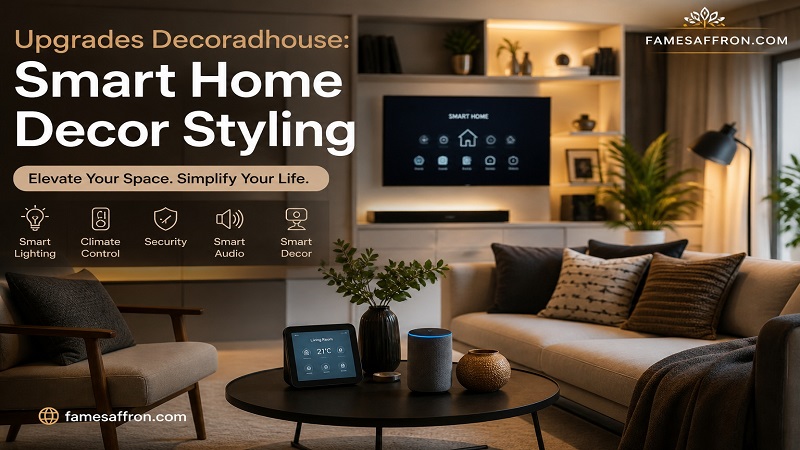
Upgraded Decoradhouse means revitalizing your living space through high-impact, budget-friendly aesthetic improvements instead of complex structural renovations. This modern decorating philosophy focuses on modifying key functional elements like lighting, textiles, and hardware to elevate any room instantly.
This guide is tailored for homeowners, renters, and decor enthusiasts seeking to maximize their property’s visual appeal and day-to-day functionality. By reading further, you will learn practical styling strategies, budget-friendly breakdown matrices, step-by-step DIY guidance, and expert design recommendations to execute seamless room-by-room makeovers. Whether you want to refresh a dated kitchen, maximize bedroom comfort, or optimize living room traffic flow, these actionable tips offer the perfect blueprint to transform your home into a sophisticated, premium sanctuary safely, quickly, and affordably right now.
What Are Upgraded Decoradhouse?
Upgrades Decoradhouse represents the philosophy of revitalizing a residential space through smart, functional, and visually striking aesthetic improvements rather than major demolition work. While traditional decorating involves merely arranging accessories and remodeling requires tearing down walls, an strategic upgrade focuses on modifying key permanent or semi-permanent elements—like fixtures, finishes, textiles, and layouts—to elevate the entire room.
Small adjustments change a room because human visual perception relies heavily on focal points, lighting quality, and spatial flow. By identifying worthwhile improvements, you can elevate your property’s overall appearance, physical comfort, and functional efficiency. Worthwhile improvements are those that fix existing design flaws, introduce timeless style, or solve storage issues. Through intentional upgrades, you can transform a dated, cluttered area into a sophisticated, cohesive environment that feels completely premium.
How to Plan Your Home Decor Upgrades
Planning a successful home refresh requires analyzing your current environment, establishing clear financial boundaries, and understanding layout limitations before purchasing new items. Taking an organized approach prevents impulse spending and ensures that every new element serves a specific purpose in your broader design scheme.
Identify Your Biggest Decorating Problems
Begin by walking through each room with a notebook to document elements that cause frustration or look outdated. Common problems include inadequate lighting, worn-out textiles, lack of storage, mismatched color palettes, or layout configurations that block natural walking paths. Pinpointing these flaws gives you a concrete list of goals to address rather than trying to change everything at once.
Set a Realistic Budget
Determine exactly how much capital you can comfortably allocate toward your home upgrades. Divide this budget into categories, setting aside a small contingency fund for unexpected costs like extra paint or mounting hardware. Establishing your financial boundaries early keeps your project manageable and filters out products that are outside your realistic price bracket.
Choose a Consistent Design Style
To prevent your home from looking disjointed, select a foundational design style to guide your choices across all rooms. Whether you lean toward modern minimalist, warm contemporary, rustic industrial, or transitional style, maintaining a unified approach creates visual continuity. This consistency can be reinforced through repeating wood tones, matching hardware finishes, and a cohesive color story.
Measure Before Buying
One of the most frequent errors in home decorating is misjudging the scale of furniture, rugs, and decor accessories. Use a steel measuring tape to record the exact dimensions of your floor space, wall heights, and window openings before ordering products. Mapping out these measurements on your floor using painter’s tape can help you visualize how a new piece impacts the physical flow of the room.
Prioritize High-Impact Improvements
Focus your time and money on changes that offer the most dramatic aesthetic and functional return. Elements that cover large surface areas—such as area rugs, wall colors, and window treatments—or items used daily, like main light fixtures and cabinet hardware, should always be upgraded first.
| Upgrade Type | Cost Level | Difficulty | Visual Impact | Best For |
| Wall Paint | Low | Beginner | High | Changing room mood and brightness |
| Area Rugs | Medium | Beginner | High | Defining zones and adding soft texture |
| Light Fixtures | Medium | Intermediate | High | Modernizing style and improving clarity |
| Cabinet Hardware | Low | Beginner | Medium | Quick kitchen or bathroom modernization |
| Custom Molding | Medium | Advanced | High | Adding architectural depth to plain walls |
Upgrade Your Living Room With Simple Decor Changes
Upgrading your living room can be achieved efficiently through thoughtful decorative adjustments that optimize traffic flow and establish clear focal zones. As the primary gathering space in the home, minor structural shifts and textile updates can dramatically alter its welcoming appeal.
Rearrange Furniture
Before spending any money, maximize your current layout by shifting furniture away from walls and angling pieces toward a primary focal point, such as a fireplace or media console. Ensure there is a comfortable walking path of at least 60 to 90 centimeters between major pieces. In large rooms, float sofas in the center of the space to create intimate conversation zones, while in smaller rooms, utilize vertical wall space to keep the floor clear.
Add or Replace an Area Rug
An area rug acts as the anchor for your entire living room arrangement, unifying disparate furniture pieces into a cohesive grouping. Ensure your rug is large enough so that at least the front legs of all primary seating options sit comfortably on top of it. For rental homes or low-budget makeovers, a large natural fiber jute rug topped with a smaller plush rug introduces sophisticated layering.
Improve Throw Pillows and Textiles
Swapping out generic or worn cushions for a curated mix of throw pillows instantly updates a sofa. Combine different textures—such as chunky knits, linen, and structured velvet—while keeping a unified color palette of three complementary shades. For visual interest, mix scaled patterns by pairing a large geometric print with a tight organic pattern and a solid neutral texture.
Add Artwork and Mirrors
Hang a single oversized statement art piece or a carefully spaced gallery wall to give bare vertical surfaces a sense of purpose. Position the center of your artwork at eye level, which is generally 145 to 150 centimeters from the floor. Placing a large mirror opposite a prominent window reflects natural sunlight, making narrow or dark living rooms appear twice as bright.
Create a Focal Point
Every living room needs a clear anchor that instantly draws the eye upon entering the space. If your room lacks a natural architectural focal point like a stone fireplace, create one using a bold accent wall, an elegant media console arrangement, or a statement bookcase. Arrange all seating to complement this designated area to give the room an organic sense of balance.
Improve Storage and Decluttering
Clutter cheapens even the most expensive interior designs, making smart storage solutions a necessity. Integrate multi-functional furniture, such as storage ottomans, lidded baskets, and closed media cabinetry, to conceal electronics, toys, and blankets. Keep open shelving intentionally sparse by displaying curated groupings of books, plants, and sculptural objects rather than crowded small items.
Refresh Your Bedroom for More Comfort and Style
Refreshing your bedroom focuses on enhancing your sleep environment by combining soothing visual aesthetics with tactile comfort. You can create a peaceful sanctuary without completely remodeling the room by upgrading the textures and lighting elements closest to your bed.
Upgrade Bedding
Your bed is the undeniable centerpiece of the room, meaning high-quality linens drastically influence both your sleep and the room’s overall style. Invest in a crisp white duvet cover made from breathable long-staple cotton or relaxed linen, then layer it with a structured coverlet. Introduce depth at the head of the bed by stacking standard sleeping pillows against larger European square shams.
Improve Bedroom Lighting
Avoid harsh, institutional overhead lighting by establishing a warm, multi-layered lighting scheme that promotes relaxation. Replace generic bedside lamps with sleek wall-mounted sconces to clear up space on your nightstands. Install warm-toned LED bulbs (around 2700K) to emit a gentle glow that prepares your mind and body for restorative rest.
Choose a Better Color Palette
Transform an anxious bedroom into a serene escape by replacing overly bright, stimulating colors with a calming palette. Muted earth tones, soft sage greens, gentle mineral blues, and warm neutral tallows create a soothing atmosphere. Apply these colors through accent walls, bedding layers, or large window panels to maintain a quiet, unified mood.
Add Curtains and Window Treatments
Frame your bedroom windows with floor-to-ceiling curtain panels to make short ceilings feel soaring and grand. Hang the curtain rod 15 to 20 centimeters above the actual window frame and extend it outwards by 20 to 30 centimeters on each side. This allows the panels to sit clear of the glass when open, maximizing incoming light while creating an elegant framing effect.
Use Rugs and Soft Textures
Stepping out of bed onto a cold, hard floor is a poor way to start the morning, making soft underfoot textures highly beneficial. Position a plush wool or low-pile cotton runner rug on both sides of the bed, or place a large area rug completely under the bed frame. Extend the rug at least 60 centimeters beyond the sides and foot of the bed to ensure your feet always land on warmth.
Create a Calm Focal Point
Keep the wall directly opposite your bed uncluttered and visually peaceful to look at as you fall asleep and wake up. Hang a relaxing landscape photograph, display a singular minimalist sculpture, or mount clean wooden floating shelves. Restrain from placing cluttered work desks or prominent television screens in your direct line of sight from the pillows.
Make Kitchen Upgrades Without a Full Remodel
Making cosmetic kitchen upgrades allows you to modernize the hardest-working room in your home without the massive expense of a full reconstruction. Focus strictly on prominent surface details to give your cooking space a high-end designer look.
Replace Cabinet Hardware
Swapping out standard builders-grade cabinet knobs for heavy, modern alternatives is one of the fastest ways to update a dated kitchen. Opt for clean matte black, brushed brass, or solid oil-rubbed bronze hardware to establish a clear contrast against your cabinet doors. Ensure you measure the center-to-center distance of existing screw holes before purchasing new pulls to avoid drilling new openings.
Improve Kitchen Lighting
Good kitchen environments require a strategic combination of bright functional task illumination and inviting ambient light. Install sleek, dimmable pendant fixtures over an open island or dining counter to serve as structural statement pieces. Mount inexpensive, plug-in LED under-cabinet strip lighting to illuminate dark countertops and make meal preparation significantly safer.
Refresh Cabinet Finishes
If your kitchen layout functions well but the cabinets look worn or dated, refreshing their outer finish offers a dramatic transformation. Thoroughly clean, sand, and prime wooden cabinets before applying a durable satin-finish acrylic urethane paint designed specifically for cabinetry. Sophisticated shades like deep charcoal, soft mushroom, slate grey, or classic navy instantly modernize older doors.
Improve Countertop Styling
Clear away bulky small appliances that crowd your food preparation surfaces and store them away in lower cabinets or pantries. Style your remaining open countertop space intentionally by grouping daily essentials together on a beautiful wooden or marble tray. Display a sleek ceramic oil cruet, a fresh wooden cutting board, and a small potted herb plant to bring life to the space.
Add Practical Storage
Maximize your kitchen’s daily utility by installing aftermarket organizational systems inside your existing deep cabinets and pantries. Pull-out wire baskets, tiered spice risers, and heavy-duty pot drawers prevent you from losing items in dark corners. Utilizing vertical plate racks or hanging stemware storage under shelves frees up premium cabinet space.
Use Open Shelving Carefully
If you choose to remove a set of upper cabinet doors in favor of modern open wood shelving, display only frequently used items. Stack matching everyday dinnerware, clear glassware, and clean ceramic bowls on these open shelves to keep the arrangement looking organized. Avoid placing rarely used specialty appliances or mismatched plastic storage containers in open view, as they attract dust and look messy.
| Kitchen Upgrade | Approximate Cost Level | Difficulty | Impact | Work Requirement |
| Hardware Swap | Low | Beginner | Medium | Purely cosmetic tool work |
| Under-Cabinet LEDs | Low | Beginner | High | Simple adhesive & plug-in |
| Painting Cabinets | Medium | Intermediate | High | Intense cleaning, sanding, painting |
| Pull-Out Pantries | Medium | Intermediate | Medium | Mechanical slide installation |
| Pendant Fixtures | Medium | Intermediate | High | Safe electrical wiring connection |
Use Lighting to Transform the Look of Your Home
Lighting dramatically changes the appearance, perceived scale, and usability of a room by altering how colors and shapes are perceived. A single overhead bulb casts harsh downward shadows, whereas a balanced, layered lighting scheme highlights your home’s best architectural attributes.
Ambient Lighting
Ambient light serves as the foundational base layer of illumination for any room, providing a safe, uniform level of brightness throughout the space. This is typically achieved through recessed ceiling lights, flush-mount fixtures, or large central chandeliers. Aim to control your ambient sources with dimmers so you can easily adjust the brightness to match the time of day.
Task Lighting
Task lighting delivers a focused, concentrated beam of light directly where specific physical activities, like reading, cooking, or working, occur. Examples include flexible desk lamps, directional reading lights next to armchairs, and bright under-cabinet kitchen lighting. Proper task lighting prevents eye strain and ensures your shadow doesn’t block your work surface.
Accent Lighting
Accent lighting introduces drama and visual interest by drawing specific attention to unique architectural details, artwork, or decorative objects. Utilize adjustable track lighting, small spotlights, or directional picture lights mounted directly above framed artwork. Accent lights should ideally be roughly three times brighter than the surrounding ambient light to create a proper sense of depth.
Lamps and Decorative Fixtures
Table lamps, floor lamps, and structural sconces serve dual purposes as practical light sources and decorative sculptural objects. Choose lamp shapes that complement your furniture lines, and ensure the lampshades conceal the bare bulb from direct view when seated. Using matching pairs of lamps on sideboards or console tables introduces an elegant sense of formal balance.
Choosing Appropriate Bulb Temperatures
The color temperature of your light bulbs, measured in Kelvin (K), dictates the emotional mood and clarity of a room. Use warm white bulbs (2700K to 3000K) in living rooms and bedrooms to cultivate a cozy, relaxing environment. Reserve crisp cool white bulbs (3500K to 4000K) for kitchens, home offices, and bathrooms where accurate color rendering and mental focus are required.
Lighting for Small Spaces
In cramped or narrow rooms, strategic lighting techniques can visually expand the perimeter walls. Use a method called “wall washing,” which involves directing light fixtures toward vertical walls to bounce illumination across the space. Avoid bulky floor lamps that take up precious square footage, opting instead for slim wall-mounted swing-arm sconces.
| Lighting Type | Core Purpose | Best Locations | Recommended Control |
| Ambient | General base illumination | Living rooms, bedrooms, entries | Dimmable wall switches |
| Task | Focused activity support | Kitchen counters, home desks, reading nicks | Independent toggle switches |
| Accent | Highlighting features & art | Fireplace mantels, artwork, bookshelves | Dedicated low-voltage timers |
Upgrade Walls, Floors, Doors, and Windows
Modifying the foundational surfaces of a room—such as your vertical walls, flooring planes, interior doors, and window openings—provides a clean canvas for the rest of your decor. Refreshing these major boundaries can instantly correct a home’s structural proportions.
Choose the Right Paint Colors
Paint is arguably the most economical yet powerful decorating tool available. Select light, reflective neutral tones like warm cream, soft alabaster, or pale greige to make small rooms feel open and airy. Always test large paint samples on different walls within a room to observe how the color transforms under varying morning and evening light conditions.
Create an Accent Wall
An accent wall introduces a bold pop of color or texture without overwhelming the entire architectural space. Select the wall that naturally anchors the room, such as the wall behind a living room sofa or a bedroom headboard. Paint it a rich contrast shade, or apply a modern peel-and-stick wallpaper featuring a sophisticated pattern.
Add Wall Molding or Paneling
Plain, flat drywall can be given instant historic character and architectural depth by installing custom wood trim molding. Classic options include elegant board-and-batten grids, traditional chair rails, or contemporary vertical wood slats. Ensure all trim pieces are securely fastened to wall studs, caulked smoothly at the seams, and painted the same color as the wall for a seamless finish.
Refresh Tired Floors
If replacing old flooring completely isn’t feasible due to budget or rental restrictions, there are several clever ways to camouflage worn surfaces. Thoroughly clean existing tile or wood, then overlay large, durable flat-weave area rugs to protect high-traffic walking paths. For budget-conscious homeowners, specialty floor paints or durable interlocking vinyl planks can transform a dated floor over a single weekend.
Paint or Update Interior Doors
Standard, plain interior doors are often overlooked, but upgrading them makes a home feel remarkably custom. Consider painting your doors a sophisticated contrasting color, like a rich charcoal or deep navy, while keeping the surrounding wall trim a crisp white. Replace generic brass doorknobs with heavy, matte black or brushed metal lever handles to improve both tactile feel and modern styling.
Improve Curtains and Window Treatments
Windows should be dressed with high-quality panels that block light when needed and add soft vertical lines to the space. Select drapes made from heavy linen blends or faux velvet that drop straight down to touch or slightly puddle on the floor. Avoid short, poorly fitted curtains that stop right at the window sill, as they visually cut the wall height in half.
Use Mirrors Strategically
Mirrors are invaluable tools for reflecting light, extending lines of sight, and creating the illusion of extra rooms. Hang a tall, arched floor mirror against a narrow dining room wall, or group a collection of framed mirrors together above a hallway console. The reflective glass tricks the brain into perceiving increased depth, making any tight corridor feel far more spacious.
Budget-Friendly Decoradhouse Upgrades Under $100
Stunning Home Decor Upgrades Under $100
You can transform your home without spending a fortune. Focus on small, high-impact changes that improve both style and comfort.
- Cabinet Hardware: Replace outdated knobs with stylish matte-black pulls.
- Accent Lamps: Add ceramic lamps for warm, inviting lighting.
- Throw Pillows: Use linen, velvet, or textured covers for a fresh look.
- Statement Artwork: Frame affordable prints with simple white mats.
- Live Plants: Add a snake plant or monstera to empty corners.
- Wall Mirrors: Use brass-framed mirrors to reflect light.
- Fresh Paint: Refresh a bathroom or accent wall.
- Storage Baskets: Hide clutter with attractive woven baskets.
- Shelf Styling: Mix books with decorative objects.
- Curtains: Choose long linen-blend panels for added height.
- Furniture Rearrangement: Improve flow and create cozy zones for free.
| Upgrade Type | Budget Range | DIY Friendly? | Expected Visual Impact | Primary Benefit |
| Hardware Swap | $30 – $60 | Yes | High | Modernizes dated doors and drawers |
| Fresh Paint Gallon | $40 – $70 | Yes | High | Instantly changes room brightness |
| New Lamps | $40 – $90 | Yes | Medium–High | Softens harsh interior shadows |
| Statement Rug | $60 – $100 | Yes | High | Defines zones and covers bad floors |
| Textile Refresh | $20 – $50 | Yes | High | Introduces sophisticated color pops |
DIY Decoradhouse Upgrades You Can Do Yourself
Taking a hands-on, do-it-yourself approach allows you to stretch your upgrading budget much further while tailoring every detail to your personal style. Most cosmetic home improvements require only basic household tools, patience, and a willingness to learn fundamental techniques.
Repaint Furniture
Give an old, scratched wooden dresser or outdated side table a new lease on life with a fresh coat of specialized furniture paint. Thoroughly clean the piece, lightly sand away old glossy finishes, and apply two coats of durable chalk paint or acrylic enamel. Finish with a clear protective topcoat to ensure the new finish resists daily wear, scratches, and stains.
Install Decorative Hardware
Upgrading handles, hooks, and hinges is a simple project that yields immediate visual rewards with minimal effort. Use a handheld screwdriver or power drill to swap out old kitchen pulls, bathroom towel bars, or bedroom entryway coat hooks. Always use a leveling tool when installing horizontal bars to ensure your new fixtures are perfectly aligned.
Create a Gallery Wall
Transform a long, empty hallway or bare living room wall into a personal design statement by curating a structured gallery wall. Lay your collection of framed photos, art prints, and sketches out on the floor first to experiment with different spacing arrangements. Use a piece of painter’s tape across the back of frames to mark exact nail placement holes before hammering into the drywall.
Restyle Shelves
Clear everything off your built-in bookcases or floating shelves to approach the surface as an empty canvas. Begin redecorating by placing your largest items first, such as heavy art books, framed photos, or large storage baskets. Fill in the remaining gaps with smaller delicate items like potted trailing vines, vintage brass objects, or scented candles, ensuring you leave empty space so the shelves can breathe.
Refresh Frames and Mirrors
Older, dated picture frames and mirror surrounds found at thrift stores can be instantly modernized using metallic or matte spray paints. Remove the glass insert, lightly sand the frame, and apply multiple thin coats of satin black, crisp white, or brilliant gold spray paint. This quick technique allows you to create a coordinated, high-end collection of wall decor out of inexpensive components.
Improve Organization
True home design beauty stems from a baseline of clean organization, which can be easily achieved through smart sorting systems. Install simple wooden dividers inside cluttered bedroom drawers, use clear labeled canisters in your food pantry, and place sturdy shoe racks inside entry closets. Removing visual chaos makes daily routines smooth and allows your decor choices to take center stage.
| Project Type | DIY Suitable? | Skill Level | When to Hire a Professional |
| Furniture Painting | Yes | Beginner | For valuable antique pieces requiring restoration |
| Hardware Upgrades | Yes | Beginner | If structural cabinet doors need complex realigning |
| Gallery Wall Setup | Yes | Beginner | If mounting exceptionally heavy objects on high walls |
| Shelf Restyling | Yes | Beginner | Purely artistic project; never requires outside help |
| Trim/Molding Install | Yes | Intermediate | If walls are severely warped or angles require complex miter cuts |
| Light Fixture Swap | Yes | Intermediate | If your home has old, unsafe wiring or lacks a junction box |
Common Home Upgrade Mistakes to Avoid
Avoiding frequent decorating pitfalls saves you valuable time, protects your budget, and ensures your completed project looks cohesive rather than accidental. Recognizing these design errors allows you to make informed decisions from the very start.
Buying Decor Before Fixing Basic Problems
- Problem: Purchasing expensive rugs, pillows, and artwork while ignoring cracked walls, stained ceilings, or broken light switches.
- Why It Happens: Cosmetic shopping is exciting, whereas home maintenance repairs feel tedious and hidden.
- Better Approach: Always repair structural foundation flaws, electrical issues, and wall damages before applying cosmetic decor layers.
Choosing Furniture That Is Too Large or Too Small
- Problem: Buying a massive sectional sofa that blocks doorways, or a tiny area rug that floats awkwardly under a coffee table.
- Why It Happens: Shoppers buy items based on how they look in a massive showroom rather than measuring their actual room.
- Better Approach: Map out dimensions on your floor using painter’s tape to verify physical scale and walking clearance before buying.
Using Too Many Colors
Problem: A room that feels chaotic because it features bright red chairs, blue walls, green pillows, and yellow curtains simultaneously.
- Why It Happens: Homeowners buy individual items they like without considering how they blend with existing pieces.
- Better Approach: Follow a strict 60-30-10 color rule: 60% dominant neutral wall tone, 30% secondary textile tone, and 10% bold accent decor pop.
Poor Lighting Placement
- Problem: A living room that feels cold and institutional because it relies entirely on a single un-dimmed overhead ceiling bulb.
- Why It Happens: Builders install basic overhead fixtures for utility, and residents forget to supplement them.
- Better Approach: Distribute multiple light sources at varying heights using a thoughtful blend of table lamps, floor lamps, and focused task lights.
Overdecorating Shelves
- Problem: Bookcases that look stressful because every square inch is tightly packed with tiny trinkets, old papers, and souvenirs.
- Why It Happens: People slowly collect items over time and place them on open surfaces without curating them.
- Better Approach: Keep 30% of your shelf space entirely empty to give the eye a place to rest, grouping remaining items cleanly.
Following Trends Too Literally
- Problem: A home that looks dated within a few years because it was completely designed around a passing internet trend.
- Why It Happens: Social media spaces showcase hyper-specific aesthetics that look beautiful on screen but lack daily longevity.
- Better Approach: Invest in timeless, high-quality neutral furniture baselines, then introduce seasonal trends through inexpensive pillows and candles.
Ignoring Functionality
- Problem: A beautiful white velvet sofa that quickly gets stained by pets, or a glass coffee table with sharp corners dangerous to toddlers.
- Why It Happens: Prioritizing pure visual appearance over the practical realities of daily household living.
- Better Approach: Select durable, stain-resistant performance fabrics and functional layouts that directly match your actual lifestyle.
Spending Too Much on Low-Impact Changes
- Problem: Depleting your entire decor budget on tiny decorative objects while your main walls remain a drab, peeling color.
- Why It Happens: Small items are cheap and easy to buy on impulse, leading to a large accumulation of small expenses.
- Better Approach: Allocate your primary funds toward high-visibility changes like large rugs, fresh paint, or main light fixtures first.
How to Choose the Best Decoradhouse Upgrades for Your Budget
Choosing the right improvements depends on evaluating your current financial limits and steering funds toward the specific areas that bother you most. Prioritizing wisely ensures you achieve a premium look without overextending your credit lines.
Best Upgrades Under $50
With a modest $50 budget, focus your efforts on high-contact details that instantly modernize a space. This includes purchasing sleek, matte cabinet hardware for a bathroom vanity, buying two cans of spray paint to refresh old metal frames, or picking up a durable indoor floor plant. Alternatively, a fresh gallon of paint can transform a dark accent wall or revitalize an old entryway door.
Best Upgrades Under $100
Stepping up to a $100 budget allows you to address larger focal surfaces within a room. You can purchase a pair of high-quality linen window curtains to elevate your bedroom ceilings, or buy a stylish textured throw blanket and matching accent pillows for your sofa. It is also an excellent price point for finding well-designed table lamps or plug-in under-cabinet kitchen LED kits.
Best Upgrades Under $500
A budget of $500 opens up opportunities for substantial design shifts and small structural updates. You can replace a prominent, outdated living room chandelier with a modern designer fixture, or purchase a large, high-quality wool area rug to anchor your seating zone. This range also covers hiring a professional to trim accent wall molding or buying a beautiful new accent armchair.
When a Larger Investment Makes Sense
Investing significant capital is highly justified when purchasing core foundational pieces that you sit on, sleep on, or use for daily comfort. Items like your primary mattress, a main living room sofa, or high-efficiency kitchen appliances directly impact your physical well-being and daily productivity. Skimping on these core pieces often results in structural failure, meaning you will spend more money replacing them down the road.
Where to Save Money
Save your hard-earned money on purely decorative accessories that sit passively on shelves, tables, and walls. Things like glass vases, decorative bowls, picture frames, throw candles, and seasonal holiday accents can be easily sourced from thrift stores or discount home retailers. These items look identical to high-end boutique options when styled correctly with proper spacing and warm lighting.
Where Spending More Can Be Worthwhile
It is worthwhile to spend more on items that require safe electrical operation, intense structural durability, or expert installation craftsmanship. Premium light fixtures, heavy brass bathroom plumbing faucets, custom window treatments, and high-traffic hardwood flooring should be bought from reputable, warrantied brands. Spending extra upfront on quality materials ensures safety, flawless daily mechanical operation, and a timeless look.
Frequently Asked Questions About Upgrades Decoradhouse
What are the best home decor upgrades?
The best home decor upgrades are those that target high-visibility areas like fresh interior wall paint, updated light fixtures, and scaled area rugs. These elements cover large surface areas and instantly set the mood, brightness, and style of the entire room.
How can I upgrade my home decor on a low budget?
You can upgrade your home decor on a low budget by cleaning out unnecessary clutter, rearranging your existing furniture layouts for better traffic flow, and utilizing inexpensive paint to refresh accent walls or old wooden furniture.
What home upgrades make the biggest difference?
Lighting alterations and wall color transformations make the biggest overall design difference. Changing from harsh overhead lighting to warm, layered accent lamps completely softens a room’s atmosphere and visually expands its boundaries.
How can I make my house look more expensive?
To make your house look more expensive, stick to a cohesive neutral color palette, hang your curtain rods high and wide to create tall lines, hide daily clutter inside closed storage, and use large-scale artwork rather than multiple small frames.
What should I upgrade first in my house?
You should upgrade your primary gathering space first, which is typically the living room or entryway. Refreshing the area guests see first establishes a welcoming tone that can be slowly extended into the rest of the home over time.
Conclusion
Executing smart home upgrades transforms your living environment from a basic functional structure into a deeply comforting, personal sanctuary. Refreshing your interior aesthetic successfully relies entirely on clear space planning, maintaining a unified style palette, and prioritizing impactful changes like lighting and textiles over passing micro-trends. You do not need an unlimited budget or professional renovation crews to achieve a high-end designer finish. By addressing your home’s needs step-by-step and leveraging simple DIY projects, you can easily execute beautiful Decoradhouse strategies that maximize the lasting.